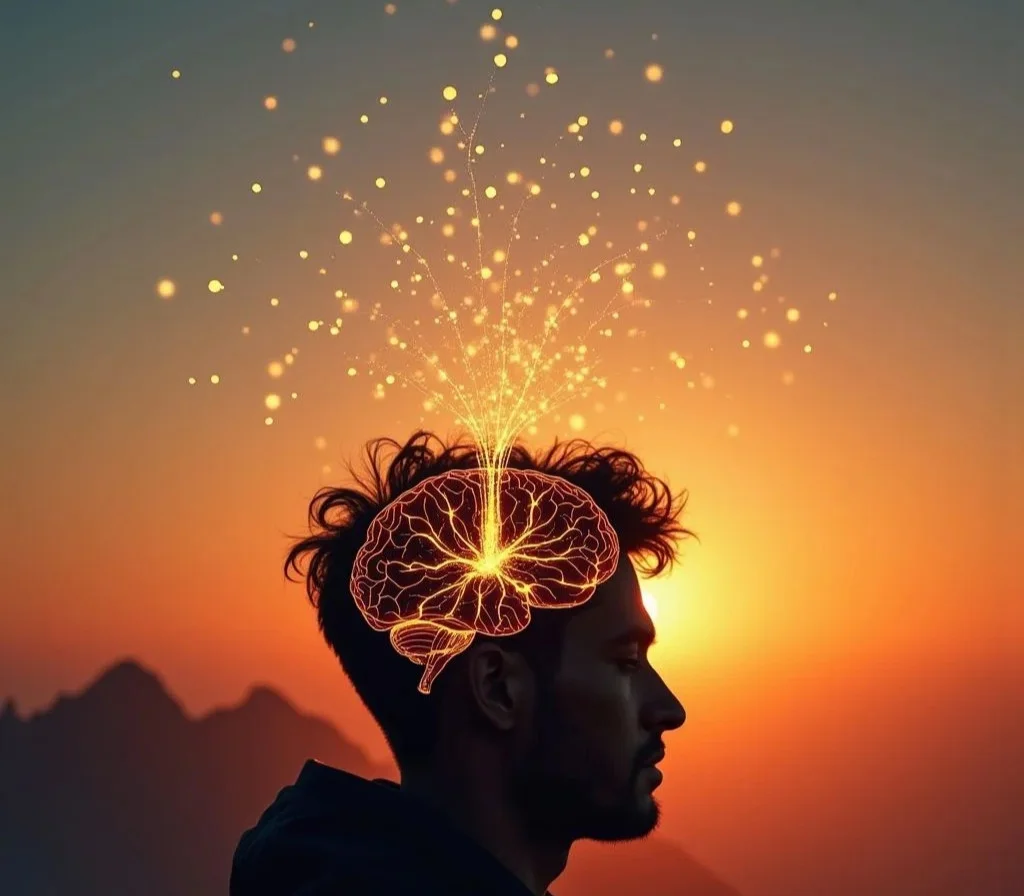
Trauma isn't just an event from the past. It lives in the nervous system. When the brain's "alarm system" stays active long after a threat has passed, it can leave one in a constant state of fight-or-flight.
This persistent dysregulation is often diagnosed as Post-Traumatic Stress Disorder (PTSD), and it affects people differently depending on how their nervous system responds over time.
Most people recover naturally. Around 70% of individuals see spontaneous improvement in the weeks following a traumatic event. For the other 30%, the response is more delayed, and the nervous system stays locked in survival mode. This is the population Magnetic Potential is ideally suited to help.
Off-Label Use of TMS for PTSD
The Magstim Horizon 3.0 system we use is Health Canada- and FDA-approved for Major Depressive Disorder, Anxious Depression, and OCD. Its use for PTSD, particularly when depressive symptoms aren't present, is considered off-label. We're upfront about this distinction and base every protocol on the latest available clinical evidence.
Coverage for TMS may be available through Veterans Affairs Canada (VAC), WorkSafeBC, First Responders programs, or the Interim Federal Health Program. See full coverage & financing details.
Understanding PTSD
The Different Types of PTSD
Acute PTSD
Symptoms appear soon after a single event, such as an accident or assault, and often improve naturally within weeks to months.
Develops from repeated or long-term trauma. Includes standard PTSD symptoms plus difficulty with self-worth, emotional regulation, and trusting others.
* We focus on chronic and complex presentations because this is where our specialized TMS protocols show the greatest strength, helping the brain move out of stuck patterns when other approaches alone haven't been enough.
How TMS supports recovery
Symptoms TMS May Help Reduce
PTSD and depression frequently occur together. For many patients, treating the depressive symptoms and nervous system dysregulation through TMS can also ease PTSD symptoms, including:
Sleep disturbances and nightmares
Hypervigilance, or feeling constantly "on guard"
Anxiety, panic attacks, and emotional reactivity
Intrusive thoughts, distressing memories, and flashbacks
Emotional numbness or feeling disconnected from oneself and others
How TMS Works for PTSD
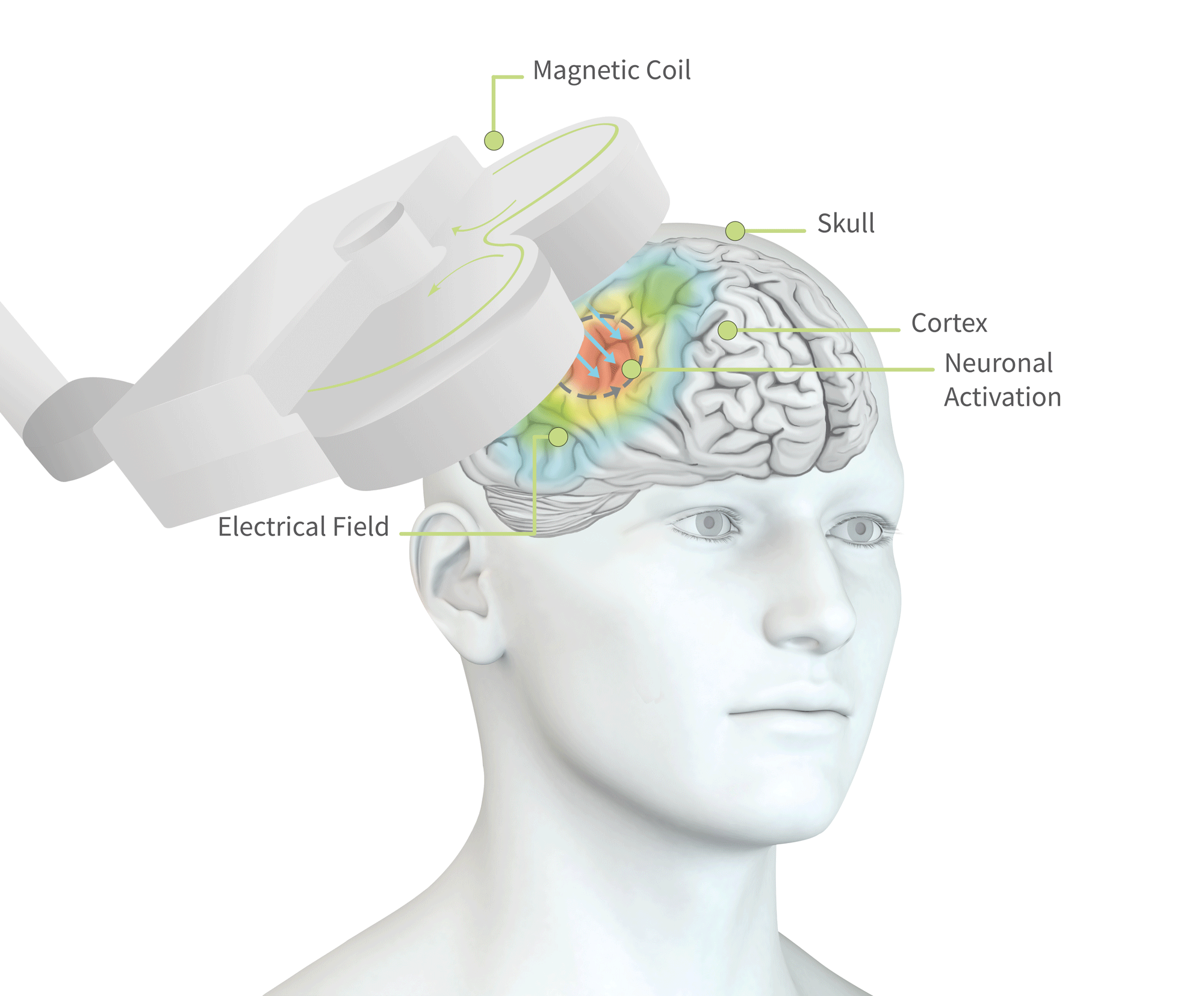
The Magstim Horizon 3.0 delivers focused magnetic pulses that promote neuroplasticity, helping to re-tune a nervous system stuck in survival mode. The goal is to help the nervous system shift from constant defence to something more flexible, forming new neural pathways in the process.
Stimulating the prefrontal cortex activates the parts of the brain involved in rational thinking and decision-making, while calming down limbic system activity, which helps interrupt ruminative thought patterns.
The evidence
What the Research Shows
A growing body of clinical research supports the use of TMS for PTSD symptoms, with emerging trials showing response rates as high as 80% (meaningful symptom improvement) and remission rates as high as 50% (where symptoms no longer meet PTSD criteria) in some studies. Because published data specific to PTSD is still developing, this application remains off-label, as noted above.
Medications have shown limited and variable results for PTSD in many patients. Non-medication approaches like TMS work differently, targeting brain activity directly rather than chemical balance, and can offer meaningful benefits alongside medication and other therapies rather than in place of them.
Our process
Our 5-Step Approach to Trauma & PTSD Treatment
1
Comprehensive Assessment
We start with a thorough evaluation of your symptoms, history, and nervous system patterns. Because PTSD looks different for everyone, we consider co-occurring symptoms, life stage, and support systems before building a plan tailored to you.
2
Targeted TMS Protocols
Using neuronavigation technology, we account for your unique brain anatomy to precisely target the brain. You'll follow a structured course with clear milestones and ongoing monitoring.
3
Shifting Out of Survival Mode
As treatment progresses, many patients notice a calmer baseline, easier transitions between work and rest, and better mood regulation, some describe waking up without the usual sense of dread.
4
Integrating Evidence-Based Therapies
TMS works best as part of a broader plan. We coordinate care alongside approaches like EMDR, somatic therapy, and yoga or breathwork, and can connect you with trusted practitioners.
5
Long-Term Resilience & Recovery
Our goal goes beyond symptom relief. As your nervous system rebalances, many patients experience improved mood and energy, better daily functioning, stronger relationships, and a renewed sense of purpose.
We don't claim to be the entire solution. Trauma recovery is deeply personal and often needs a team. Our role is specific: resetting the nervous system through neuroplasticity so you're safe enough for deeper healing to take root alongside therapy and other care.
Trauma & PTSD Treatment FAQs
Our TMS system is Health Canada- and FDA-approved for Major Depressive Disorder, Anxious Depression, and OCD. Using it for PTSD is considered off-label, especially when depressive symptoms aren't present. We're transparent about this and base our protocols on the latest available research.
PTSD and depression frequently occur together, and treating that comorbid connection is where TMS fits in most directly. If depression isn't present, TMS for PTSD alone is further off-label. During your free consultation, we'll talk through your specific situation to see if it's a fit.
These are among the symptoms many patients notice improvement in as the nervous system moves out of survival mode. Results vary from person to person, and we'll set realistic expectations with you based on your history and treatment plan.
Coverage may be available through Veterans Affairs Canada, WorkSafeBC, First Responders programs, or the Interim Federal Health Program, depending on your situation. Visit our Financing & Coverage page for full details, or ask us directly during your consultation.
Yes. We see TMS as a powerful part of your care, not a replacement for it. It's most effective when combined with evidence-based therapies like EMDR or somatic therapy, and we can help coordinate that care alongside your treatment.
Ready to Explore TMS for Trauma & PTSD?
Book a free, no-obligation consultation to find out if TMS could be part of your path back to safety and balance.